Major corporations are investing billions to expand American production. But in practice, it's being slowed by one enormous obstacle: air permits stuck for years inside overworked state agencies.
Back to Insights
Human-AI
When CEOs Lead, America Builds: How Executive Action Can Break the Permit Backlog and Accelerate Growth
November 17, 2025
Nelson Smith
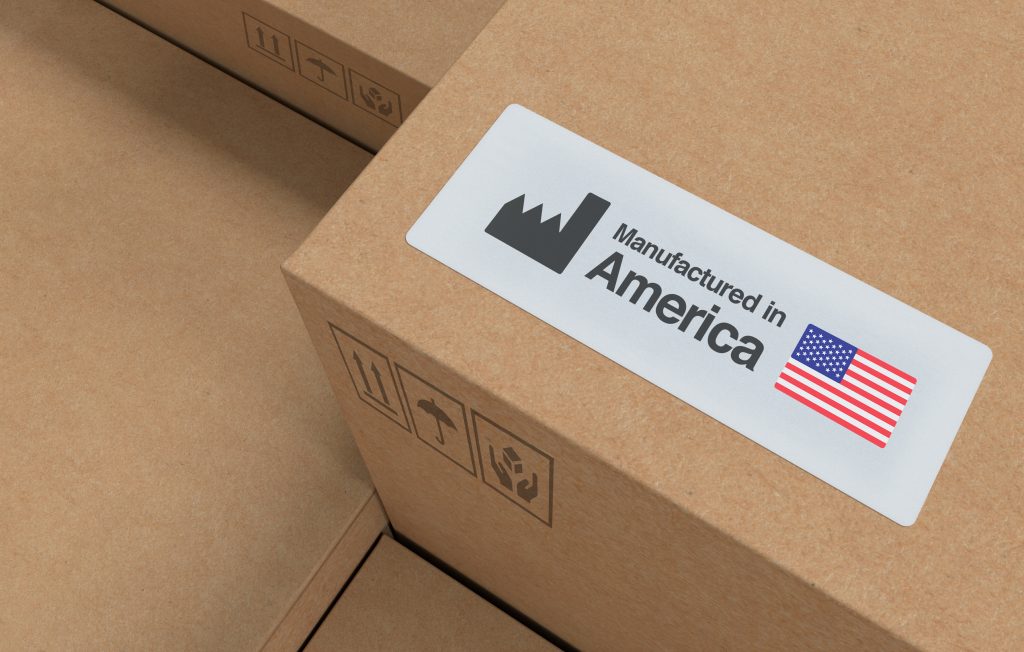
One of the major goals of this administration is clear: bring manufacturing back to the United States. Major corporations — Intel, Ford, Toyota, Micron, and General Motors — are investing billions to expand American production. On paper, this national revival sounds unstoppable. But in practice, it's being slowed by one enormous obstacle: air permits stuck for years inside overworked state agencies.
A 2024 McKinsey analysis found that federal and state permitting delays are now one of the top structural barriers to U.S. manufacturing growth.
Across the country, thousands of applications for new or expanded facilities are buried in backlogs. Not because companies aren't ready, or because regulators don't care — but because the process has become so complex and underfunded that no one is leading it forward. And that's where C-suite executives must step in.
The Leadership Vacuum
For decades, permitting was treated as a technical process — something handled deep inside compliance departments. But the truth is this: permits decide who grows, who hires, and who builds America's next chapter. And yet, until now, few senior executives have taken direct control.
The reason? The process was written in a foreign language — dense with acronyms, models, and legal nuance that made engagement risky and confusing. That is, until now.
A New Leadership Tool
This is where LSARS (Life Science Analysis & Reporting Solution) changes the equation. It doesn't replace regulators. It empowers executives — translating technical language into business clarity and strategy. LSARS converts every part of the air permit process into plain-English dashboards that show:
- Where your permit stands
- What's holding it up
- What the risk levels are
- What can be done to move faster
For the first time, executives can make permitting a board level discussion — not a bureaucratic mystery.
Putting Leadership Into Action
Here's how executive leadership looks in practice. When a company submits its air permit, it includes a cover letter signed by a senior executive — often a General Counsel, Vice President of Operations, or Chief Sustainability Officer. That letter, built using LSARS data, does three powerful things:
Shows Accountability and Respect
A high-ranking signature signals that the company's leadership is directly engaged — and that this permit is a corporate priority.
Demonstrates Transparency
The letter includes a secure, read-only LSARS portal link that allows regulators to view verified calculations, public-comment summaries, and supporting data in real time.
Builds Trust Across the Community
Because the LSARS portal is read-only and fully documented, the same letter can be shared with local and state leaders, economic-development officials, and community representatives. Everyone works from the same set of facts.
The Bigger Picture
Both political parties agree: America must rebuild its industrial base. But until the permitting logjam breaks, that ambition remains just talk.
What the nation needs now isn't another policy. It's leadership. Leadership from the executives who already know how to build, how to manage, and how to make results happen. With LSARS as their clarity tool and catalyst, they finally have the visibility and influence to make it real.
When CEOs lead, permits move. When permits move, plants expand. When plants expand, America builds again.
Related Guides
- Title V permit backlog — Why Title V cycles are slipping in 2026 and what applicants can do about it.
- Data center air permit guide — National guide on data center air permitting, including Virginia HB 507 Tier IV generator mandate effective July 1, 2026.