Three Sides. One Air Pollution Problem.
Air pollution challenges often involve a complex interplay between community concerns, company growth, and governmental oversight. Learn how LSARS helps bridge these divides to achieve practical solutions.
Latest research, case studies, and thought leadership from the LSARS team on environmental permitting, health risk analysis, and AI-powered compliance solutions.
Guides and resources
Long-form compliance hubs, alternatives, and buyer guides. Updated for 2026.
New 2025
EPA discontinued public access to EJScreen on February 5, 2025. Same data, plus permit-grade health risk math on top.
Alternative
Cloud-native alternative to the CARB HARP2 desktop tool, parity-validated to five significant figures.
Time-sensitive
National guide hooked on the Virginia HB 507 Tier IV mandate effective July 1, 2026.
Top of funnel
Why Title V cycles are slipping in 2026 and what applicants can do. Anchored in the Colorado backlog story.

Air pollution challenges often involve a complex interplay between community concerns, company growth, and governmental oversight. Learn how LSARS helps bridge these divides to achieve practical solutions.

Air pollution matters involve a complex interplay of science, law, community concerns, and economics. Nelson Smith, J.D., explains how trusted, independent judgment is the essential ingredient to achieve fair decisions and build stakeholder trust.

Nelson Smith, J.D., explains why the biggest challenge in air pollution disputes isn't just pollution, but a critical breakdown of trust between communities, companies, and government, leading to stalled progress and rising costs.

Nelson Smith, J.D., discusses the surge in canceled data center projects, revealing a critical trust deficit between developers and communities. Learn how proactive engagement can bridge this gap.

Dr. Thad Perry shares why economic development works better when community health is part of the plan from the start. In this video, he explains how health burden, transportation barriers, and care access shape long-term growth, and how data-driven planning helps communities target investments where they matter most.

This explainer breaks down the core LSARS model for accelerating permits through trust, transparency, and community-aligned investments. You’ll learn: • Why projects like data centers still face pushback (power, water, noise, trust) • How LSARS builds a baseline Health Risk Analysis using national, state, and local data • How social and economic conditions shape real-world outcomes and opposition • How Permit Intelligence recommends incentives tied to measurable needs (example: smart mobility when transportation barriers are high) • How dashboards, AI-assisted workflows, and community visibility improve accountability • What “Community Permittability Score” means, and how it supports schedule confidence for executives and agencies

See how LSARS maps baseline community health risk and social vulnerability to support better, faster permitting decisions. In this demo, we: • Compare EPA vs California OEHHA health risk screening (including why results differ) • Review cancer risk patterns (per million) at county and tract level • Layer in Social Vulnerability Index signals like vehicle access • Estimate community financial burden using a cost-of-illness approach, with and without social determinant adjustments • Show data validation and citations for defensible, regulator-aligned reporting • Ask the AI assistant what investments reduce cancer risk and improve community health, with sources shown If you work in environmental permitting, compliance, infrastructure delivery, or community engagement, this series is built for you.

This article introduces a novel approach to accelerate data center development in the U.S. by leveraging global offset programs, combined with the transparent data tracking of LSARS and the independent conflict resolution services of Apex Environmental Resolution Group, to foster trust and shared benefits.

LSARS Permits leverages AI to improve data center permit approvals by identifying community risks and needs, facilitating targeted investments, and ensuring transparency, enhancing the Community Permitability Score.

This LSARS briefing details the national challenges of data-center development, particularly in Northern Virginia, and introduces LSARS as a crucial platform to ensure project success, transparency, and trust among all stakeholders.

This article explains why public participation, trust, and transparency drive permit outcomes more than technology alone. Using Prince William County as a real example, it shows how LSARS supports human-led decision making by turning community concerns into enforceable permit commitments visible to everyone.

LSARS is the ultimate command center for managing complex infrastructure permits, bridging the gap between technical data and regulatory success. See how our integrated platform uses approval pathways, community health science, and AI-driven insights to accelerate your project while building lasting public trust.

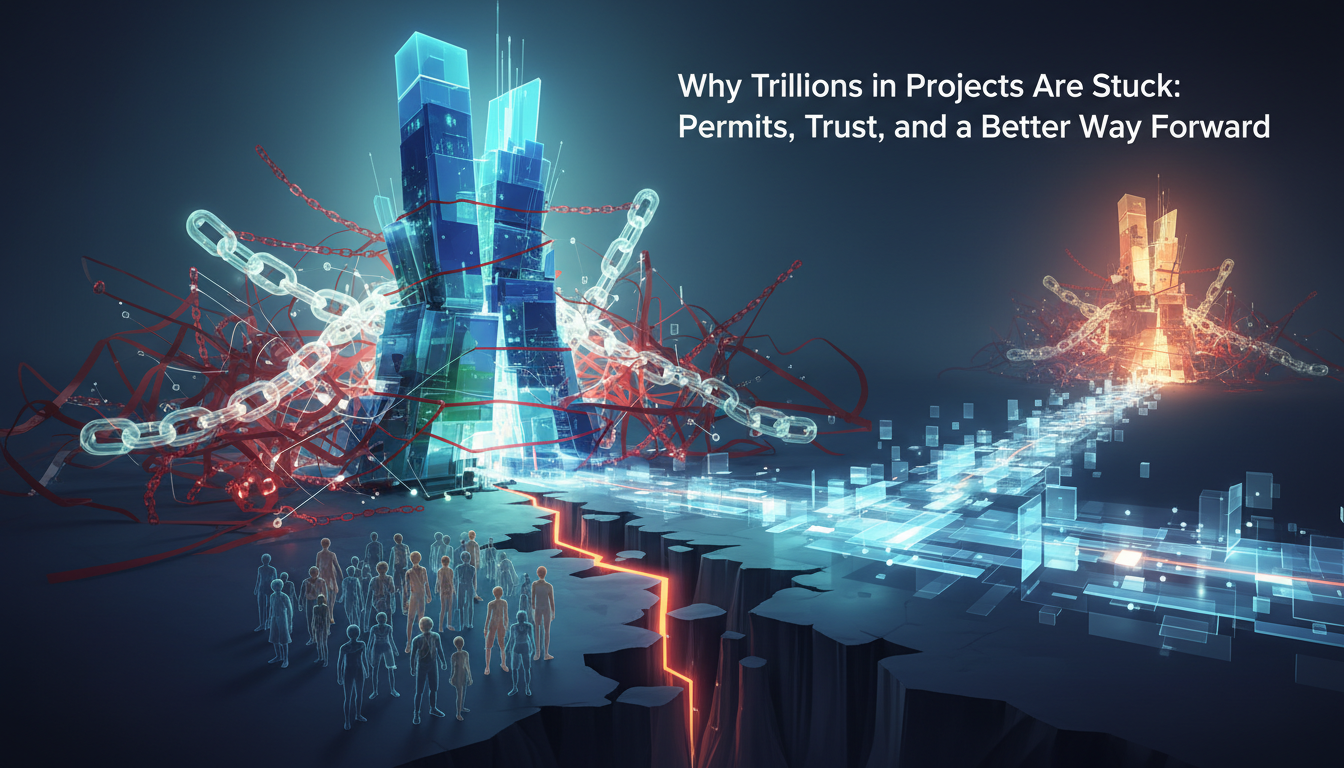
Billions and even trillions of dollars are ready for business expansion, infrastructure, and data centers. Yet many projects remain stalled for years. The cause is not lack of funding or demand. The cause is permitting delays, fragmented processes, and broken trust between corporations, regulators, and communities. This interview explores why those delays persist, who they impact, and what changes when permits, data, and community input follow a different process. The discussion focuses on speed without added risk, reducing government backlogs without new funding, and addressing community concerns before decisions are finalized. This is not a sales pitch. It is an informational conversation designed to help you decide whether a more transparent, collaborative approach to permitting and environmental review fits your needs, constraints, and community.

This article argues that companies often get air permit approvals wrong by prioritizing technical processes over community engagement. It advocates for a "reverse-engineered" approach that starts with building trust and support within the community to achieve faster and more successful permit outcomes.

Bonanza Creek Energy thought it was handling a routine Title V permit. But routine turned into a multi-year nightmare when they ignored the human side of permitting.

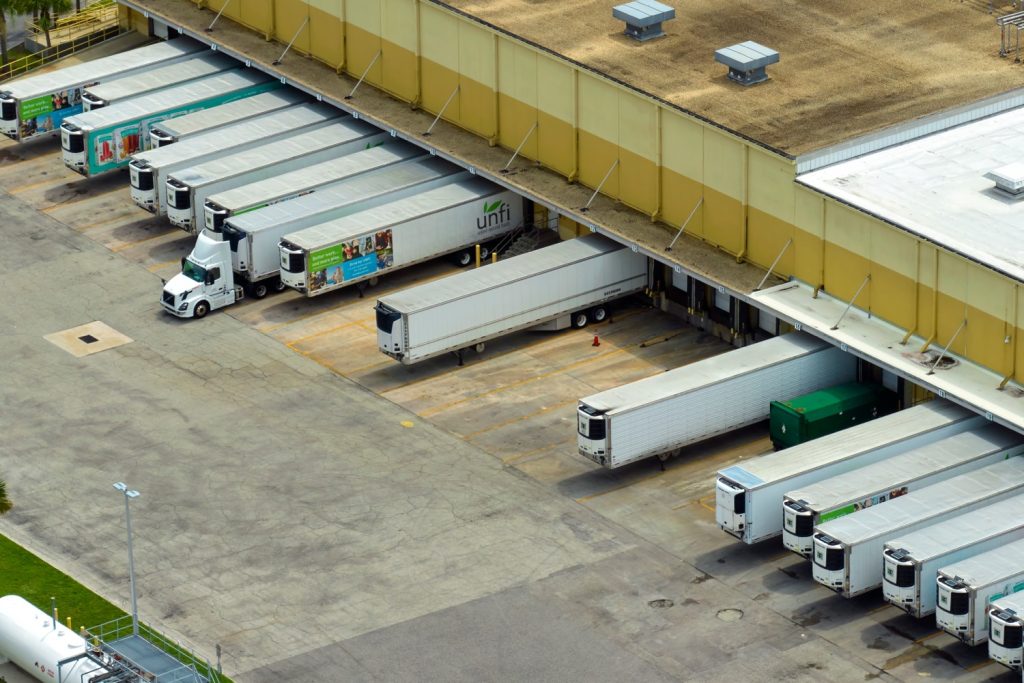
FedEx operates one of the largest logistics networks in the world. But beneath that speed and efficiency lies an invisible challenge: air permitting.

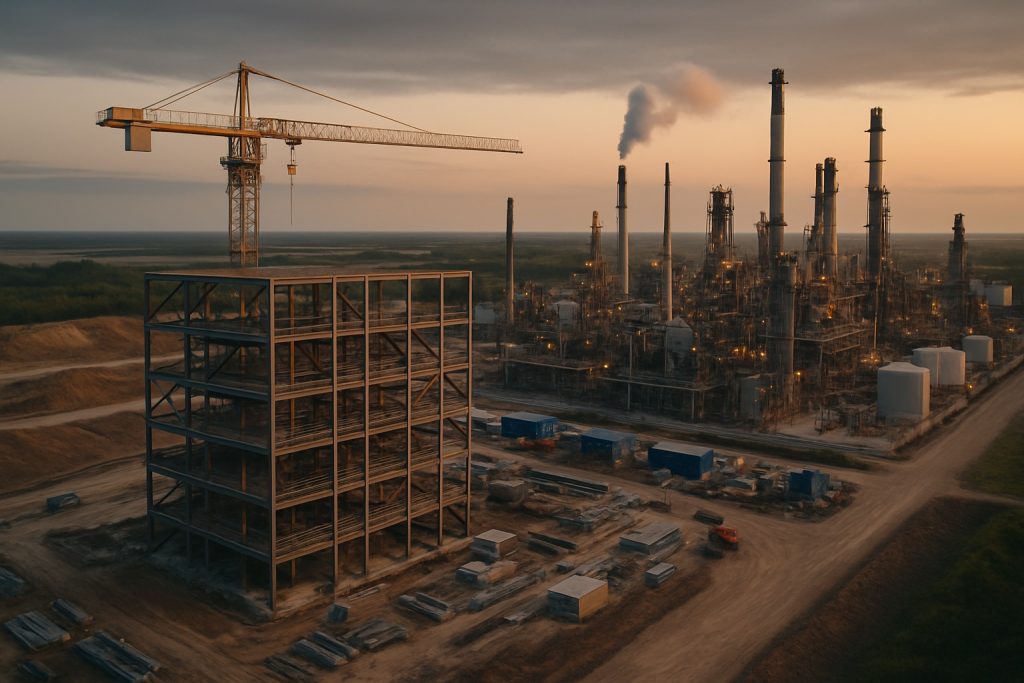
What happens when a billion-dollar expansion gets stuck waiting on one thing: an air permit that takes years to be approved? That kind of delay can quietly become a financial and legal risk.

In 2024, Chevron's Richmond Refinery faced one of the most expensive environmental setbacks in recent memory — a $550 million wet-gas scrubber system mandate.

Real-world case studies showing how LSARS could help Minnesota, Oregon, and New York reduce their Title V air permit backlog, create new jobs, and improve public health outcomes.

A clear, structured way for C-suite leaders to take control of AI decisions — and turn minutes of focus into lasting strategic advantage.

Even when a company completes its Title V application and submits it to a state agency, the EPA remains the final checkpoint. Smart executives can turn this into an opportunity.

Major corporations are investing billions to expand American production. But in practice, it's being slowed by one enormous obstacle: air permits stuck for years inside overworked state agencies.

Every year, about $240 to $280 billion in infrastructure investments get stuck in the federal permitting process. LSARS can help companies cut through the backlog.

Permitting delays now rank among the top reasons why critical projects miss deadlines, lose funding, or are canceled outright. LSARS offers a smarter, faster way to manage permits.